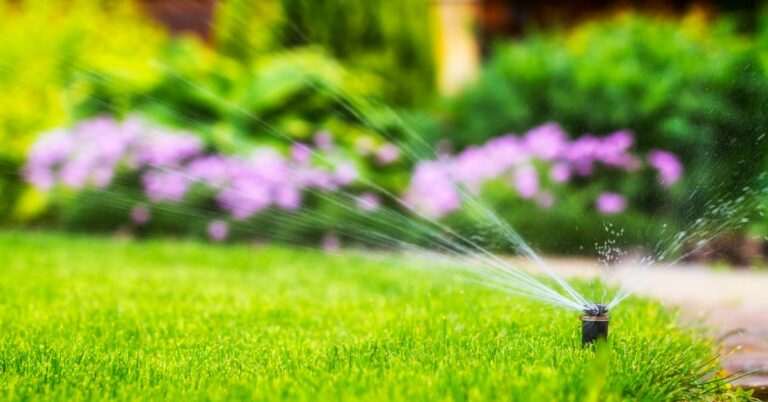
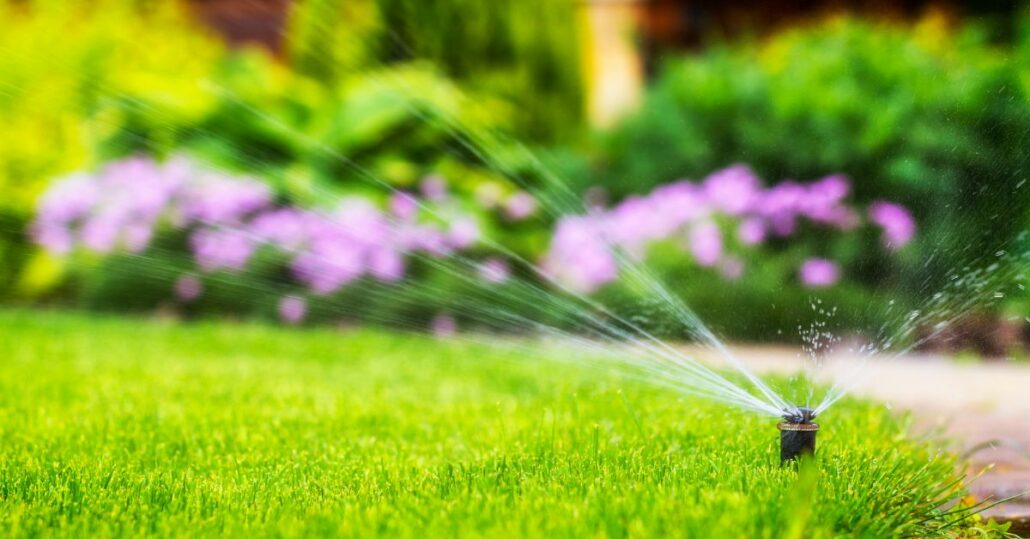
When cold weather creeps into Kennesaw, most homeowners start thinking about cozy blankets, fire pits, and holiday plans, not their irrigation system. But here’s the thing: even in Georgia, where winters are milder than in the northern states, your sprinkler system can still freeze. And when it does, it can lead to burst pipes, cracked valves, expensive repairs, and a whole lot of frustration once spring rolls around.
Winterizing your irrigation system ensures that water doesn’t get trapped inside the lines and freeze. If you’ve ever wondered when to winterize your sprinklers, how to blow out your system properly, or whether you should call professional landscaping companies in Kennesaw, GA, this guide explains everything in detail.
Why Irrigation Winterization Matters for Kennesaw Homeowners
Although Kennesaw doesn’t experience extreme winter conditions, the region still sees enough overnight freezes to cause serious damage to an irrigation system. Water expands when it freezes, and even small traces of water inside your sprinklers or irrigation lines can lead to cracks and costly repairs. Winterization is a smart preventative step that protects your irrigation system and keeps your Kennesaw landscape healthy through winter.
When Should You Blow Out Your Sprinkler System?
The ideal time to winterize your irrigation system depends on seasonal weather patterns in the region. Because Kennesaw’s climate can shift from warm afternoons to freezing nights fairly quickly, timing is everything.
Understanding Kennesaw’s Seasonal Weather Patterns
Kennesaw winters tend to bring unpredictable temperature drops. While the days may remain mild, nighttime temperatures often dip below freezing between late October and early December. This means that homeowners should aim to winterize sometime during that window to prevent any cold-weather damage.
Signs It’s Time to Winterize
As fall begins, several indicators can signal it’s time to prepare your system for winter. Nighttime temperatures that consistently drop below 40°F are one of the clearest signs. You may also notice that your lawn and plants aren’t requiring as much water during the cooler months. Pressure inconsistencies in your irrigation system, along with dormant turf, also suggest it’s the right time to shut everything down before a freeze occurs.
Why Professional Blowouts Are Often the Better Choice
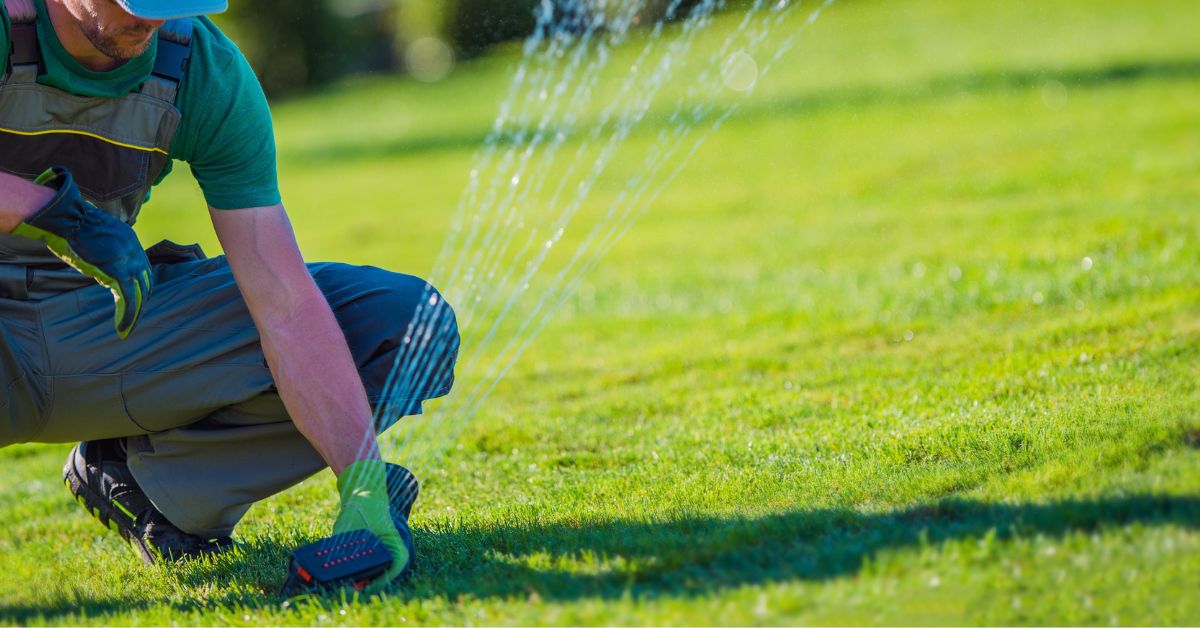
Even though DIY blowouts are possible, working with a professional often provides the safest and most reliable results. Georgia irrigation systems include delicate components that can be damaged by a single mistake, which is why many homeowners choose professional winterization.
Equipment Quality and Experience
Professional irrigation specialists use industrial-grade compressors that provide stable, controlled air pressure specifically suited for irrigation systems. This allows for a more thorough and safe blowout than most homeowner compressors can achieve. Their experience also ensures that sensitive areas, such as valves, backflow preventers, and drip lines, receive the correct handling.
Avoiding Common DIY Mistakes
- Using an oversized compressor with too much PSI (Pounds per Square Inch)
- Leaving water in hard-to-reach lateral lines
- Forgetting backflow preventer care
- Skipping zones entirely
- Not resetting the irrigation controller correctly
Protecting Warranty and System Lifespan
Some irrigation installations include warranties that require professional servicing to stay valid. Even without a warranty, regular professional winterization helps extend your irrigation system’s lifespan and reduces the likelihood of costly repairs later on.
Additional Steps for Full Irrigation Winterization
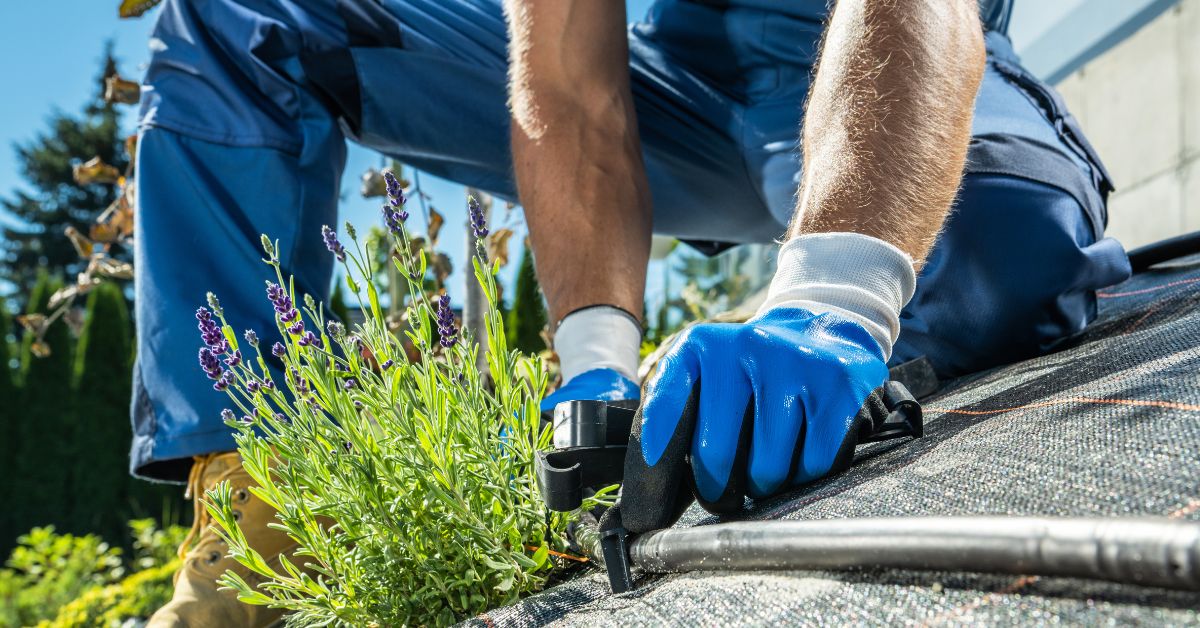
A complete winterization involves more than draining water from the lines. Several additional components require attention to ensure your system remains protected all winter long.
Backflow Preventer Protection
Backflow preventers are one of the most vulnerable parts of an irrigation system because they are often installed above ground. Even a brief freeze can crack the brass casing. Insulating this component helps ensure it survives cold weather undamaged.
Controller and Timer Adjustments
Your irrigation controller should be set to “off” or “rain mode” once winterization is complete. Leaving the system on, even unintentionally, can cause water to re-enter the lines and freeze.
Draining Pump-Driven Systems
If your property uses a pump-driven irrigation system, the pump housing and its lines must be drained properly. This prevents cracks in the pump’s internal components and ensures smooth operation in the spring.
How Landscaping Companies in Kennesaw GA Can Help
If you prefer peace of mind or simply want a thorough and professional winterization, hiring an experienced landscaping company is the best choice.
Customized Winterization for Your Yard
Every irrigation system is different, and the best winterization approach depends on the size of your yard, its elevation changes, and how your irrigation zones are laid out. Professionals can assess your system and tailor the winterization process to meet your landscape’s specific needs.
Ongoing Seasonal Services
Creech Landscape can internally link to helpful services such as fall clean-up, lawn aeration, mulching, irrigation installation, or year-round lawn maintenance plans.
Preventing Spring Startup Problems
Thorough winterization ensures that spring startup goes smoothly. With the system protected over the winter, you’ll experience fewer leaks, quicker pressure-driven recovery, and healthier growth throughout your Kennesaw landscape.
Common Questions About Sprinkler Blowouts
Do I really need to winterize my irrigation system in Georgia?
Yes. Even mild freezes can damage underground pipes and valves.
How much does a sprinkler blowout typically cost?
Blowouts in Kennesaw are typically inexpensive compared to repairing cracked backflow preventers or multiple sprinkler heads.
Is compressed air safe for all sprinkler systems?
Compressed air is safe when used properly, but excessive PSI can cause serious damage.
What happens if I skip winterization?
Skipping winterization can lead to cracked pipes, broken valves, and leaks once the system powers on in spring.
Can I winterize my system without an air compressor?
Some systems allow partial draining, but without a full blowout, remaining water may freeze and cause damage.
Preparing for Spring: What Comes After Winterization?
Once winter has passed, your irrigation system will need a full inspection and startup. This includes checking for leaks, testing each zone, cleaning sprinkler heads, and reprogramming the controller. Spring is also a great time to nurture your landscape through aeration, mulching, and prepping zones for watering efficiency.
Protect Your Irrigation System Before Winter Hits

Winter in Georgia might be short, but even a single freeze can cause expensive irrigation damage. By winterizing early, and relying on trusted landscaping companies in Kennesaw GA, you can protect your investment, avoid repairs, and ensure your landscape is ready for spring.
If you want your irrigation system handled with precision and care, Creech Landscape is ready to help. From irrigation winterization to full-service landscaping, our team ensures your yard stays healthy and protected year-round.
Ready to winterize your irrigation system?
Contact Creech Landscape today and enjoy a worry-free winter.